
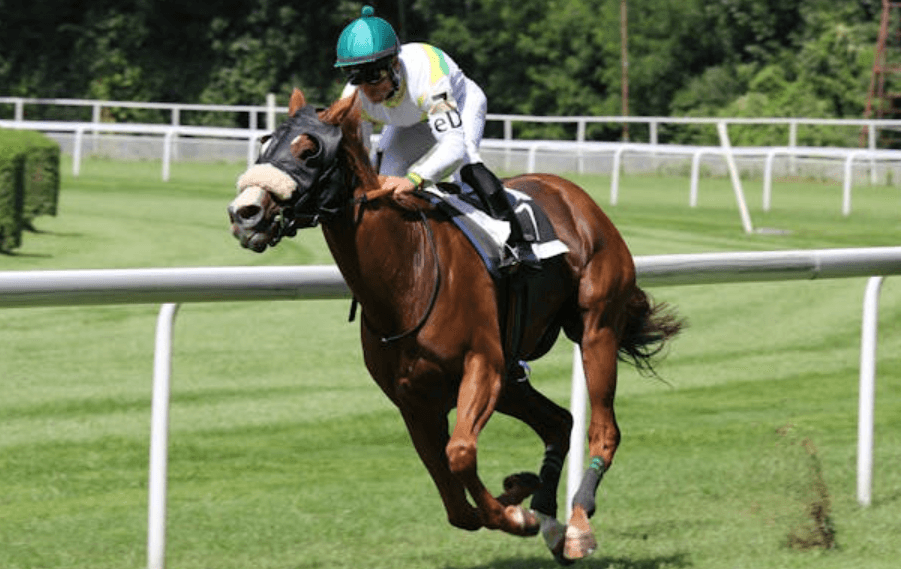
In horse racing, the jockey serves as a crucial link between the horse’s abilities and the demands of competition. Their understanding of equine behavior fosters a partnership that enhances performance. Jockeys must also evaluate track conditions and competitors to develop effective strategies. Additionally, rigorous physical and mental training prepares them for the pressures of racing. This intricate preparation raises questions about how these factors ultimately shape the outcome of each race.
Understanding the Horse: Building a Partnership
In order to achieve success on the racetrack, a jockey must develop a deep understanding of their horse, as this partnership is crucial for optimal performance.
Recognizing horse behavior allows the jockey to tailor their approach, enhancing rider communication.
Analyzing Race Conditions and Competitors
A jockey’s preparation extends beyond understanding their horse; it encompasses a thorough analysis of race conditions and competitors.
Evaluating track conditions—such as surface type and weather—can significantly impact race dynamics.
Additionally, competitor analysis allows jockeys to gauge the strengths and weaknesses of rival horses and riders.
This dual focus empowers jockeys to strategize effectively, enhancing their chances for success on race day.
See also: Horse Racing: The Most Prestigious Tracks You Should Know About
Physical and Mental Preparation for Jockeys
While many may focus solely on the horse’s abilities, the physical and mental preparation of jockeys plays a crucial role in achieving success on race day.
A rigorous fitness regimen enhances their strength and stamina, while mental toughness equips them to handle the pressure of competition.
Together, these elements ensure that jockeys are not only physically prepared but also psychologically resilient, ready to seize victory.
The Art of Race Strategy and Execution
Although many may overlook it, the ability to devise and execute a race strategy is essential for a jockey’s success.
Effective race tactics involve anticipating competitors’ moves and making strategic adjustments during the race. Jockeys must analyze the track conditions and their horse’s strengths to optimize performance, ensuring they navigate challenges with agility.
Mastery of these elements can significantly influence race outcomes.
Conclusion
In the tapestry of horse racing, the jockey serves as the skilled weaver, intertwining the threads of horse and strategy into a cohesive performance. Through a profound understanding of their equine partner, meticulous analysis of the racetrack, and unwavering physical and mental fortitude, jockeys become the architects of victory. As they guide their horses with precision and intuition, the culmination of their efforts not only shapes the race but also crafts a narrative of resilience and triumph on the track.
